Stay Warm: The Definitive Guide to Gas Fireplace Installation
Gas fireplace systems provide an ideal combination of warmth and energy efficiency, transforming living spaces into inviting retreats. This guide outlines the critical steps needed to select and install a gas fireplace, providing both secure operation and practical functionality. From understanding the advantages to preparing for installation, each aspect is critical. As property owners weigh these aspects, questions may arise regarding the unique detailed article advantages and available design choices. Achieving a warmer and more comfortable home starts with well-informed choices.
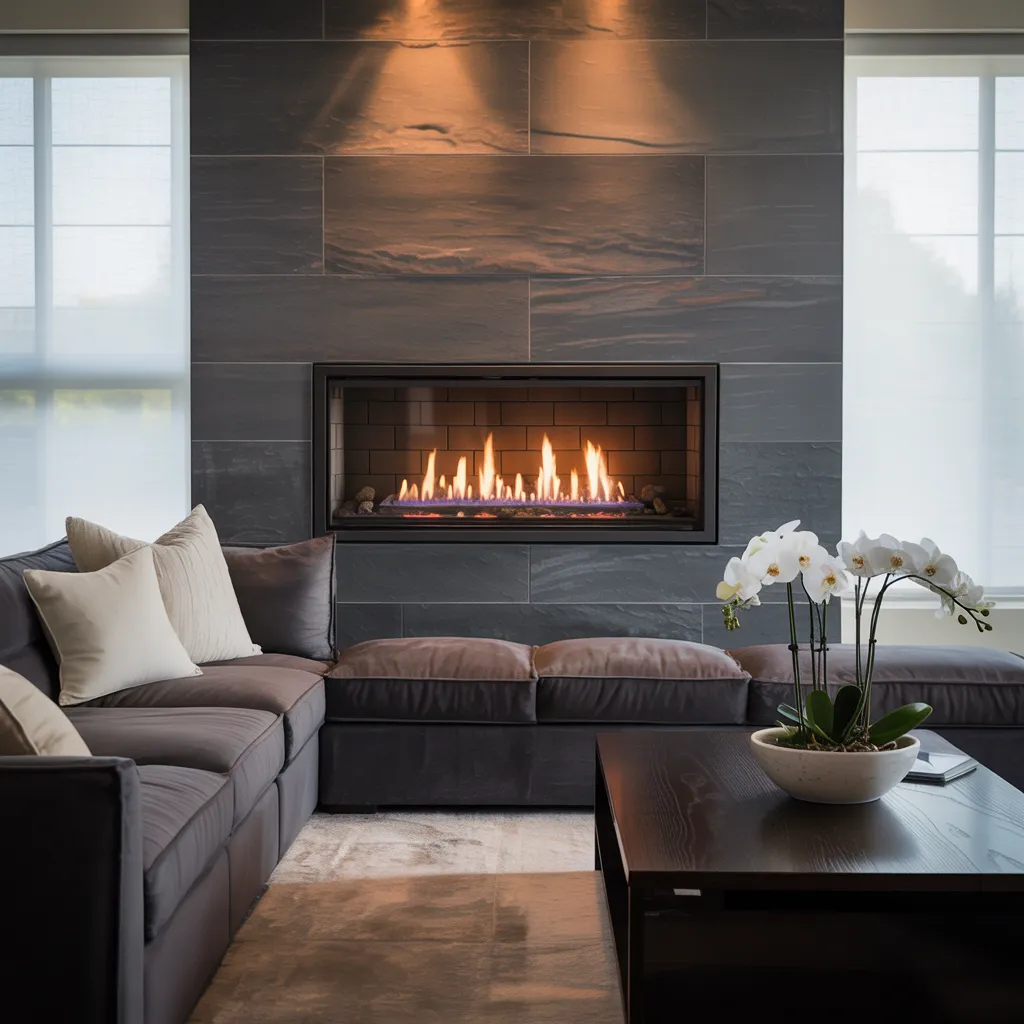
Why You'll Love Having a Gas Fireplace
A gas burning fireplace transforms a room into a comfortable haven, providing heat and atmosphere with the convenient push of a button. In contrast to traditional wood-burning options, gas fireplaces deliver the advantage of on-demand heat, eliminating the need for splitting logs or managing ash buildup. Their efficiency allows for consistent temperature control, making them an ideal choice for year-round use.
Moreover, gas-powered fireplaces can be found in a wide range of aesthetic styles and configurations, naturally harmonizing with diverse décor themes. Gas fireplaces require reduced upkeep than conventional wood-burning alternatives, as they produce reduced emissions and do not require routine chimney maintenance. This environmentally conscious feature resonates with sustainability-focused homeowners.
Additionally, the safety mechanisms of today's gas fireplaces, including automatic shut-off valves and glass enclosures, contribute to peace of mind. In the end, a contemporary gas fireplace not only enhances the aesthetic appeal of a home but also guarantees a cozy and inviting environment for loved ones and guests alike.
Selecting the Ideal Gas Fireplace for Your Home
Picking the best gas fireplace involves evaluating various factors to ensure it meets both visual and practical needs. Homeowners should first assess the scale of the area, as the size and heating capacity of the fireplace must suit the room's requirements. Aesthetic considerations, such as conventional versus modern designs, play a vital role in ensuring the fireplace matches the existing aesthetic.
Fuel type is another important consideration; natural gas and propane offer different installation and performance characteristics. In addition, venting configurations—direct vent, vent-free, or B-vent—influence airflow and overall safety.
Efficiency ratings should not be overlooked; more efficient models can result in lower energy bills. Furthermore, evaluating the manufacturer's reputation and warranty options can provide peace of mind regarding the fireplace's longevity and service. By carefully weighing these factors, homeowners can choose a gas fireplace that enhances both the comfort and ambiance of their living space.
Important Installation Elements for Gas Fireplaces
During the installation of a gas fireplace, thoughtful attention to placement is essential for maximum efficiency and safety. Furthermore, grasping the venting requirements is essential to guarantee proper airflow and compliance with regulations. Such considerations are crucial to the general efficiency and operation of the heating unit.
Factors for Selecting a Location
Choosing the correct placement for a gas-powered fireplace is crucial for enhancing its performance and safety. Factors such as room layout, size, and existing structures greatly impact this decision. For best results, the fireplace should be installed in a centrally located spot to provide even heat distribution throughout the room. Access to gas lines is also essential, guaranteeing an minimally invasive installation procedure. Moreover, accounting for clearance from combustible materials and compliance with established building regulations is necessary for safety. Natural light sources and existing vents should be factored in to optimize both aesthetics and functionality. In summary, a well-planned location boosts the performance of the fireplace while contributing to the overall design and comfort of the room.
Overview of Venting Requirements
Adequate venting is an essential component of gas fireplace installation that greatly impacts safety and efficiency. There are two primary venting systems: direct vent and vent-free. Direct vent fireplaces require a double-walled pipe that removes combustion gases externally while introducing fresh air, ensuring proper combustion. This system is commonly selected due to its superior safety and performance. Vent-free models, in comparison, eliminate the need for external venting and can be highly adaptable during installation, but they may create indoor air quality challenges due to the emission of combustion byproducts. It is essential for homeowners to consult local building codes and regulations regarding venting requirements, as these can differ significantly and may outline the safest and most reliable installation procedures.
Getting Your Space Ready for Installation
Setting up the location for gas fireplace installation is a vital step that guarantees safety and peak performance. First, the zone should be cleared of any decorations, furniture, or flammable materials, creating ample room for the process of installation. This ensures safety while also offering easy access for the installer. Furthermore, evaluating the existing structure is essential; ceilings, walls, and floors should be inspected for any necessary reinforcements or adjustments to handle the fireplace's weight and heat output.
Additionally, ensuring proper ventilation is necessary. Households should identify potential locations for venting and check for any obstructions in the planned pathways. Lastly, referencing local building ordinances and codes can reduce the chance of future complications. By properly arranging the space, property owners can develop a favorable environment for a smooth gas fireplace installation, increasing both safety and efficiency.
How to Put In Your New Gas Fireplace?
Installing a new gas fireplace requires a number of critical steps to guarantee proper functionality and safety. First, the installer must select an ideal location, confirming adequate clearance from flammable materials. Subsequently, the gas line should be installed, usually demanding the use of a qualified professional to adhere to local regulations. The fireplace unit is then situated in the assigned area, verifying it is level and secure.
Ventilation plays a vital role; the venting system must be connected by the installer following the manufacturer's guidelines to ensure proper exhaust. After that, the fireplace's front and any decorative components are attached. After the unit has been properly positioned, it is important to inspect every connection for potential gas leaks with the use of a soap solution. To conclude the installation, the fireplace ought to be meticulously reviewed to ensure it functions as intended before first use. When installed properly, the fireplace benefits from improved efficiency while also supporting the overall safety of the residence.
Important Safety Guidelines During Installation
While gas fireplaces provide coziness and aesthetic appeal, safety measures during the installation process are essential to avoid potential dangers. Sufficient ventilation plays a key role; technicians must confirm that flue and vent systems are correctly placed to prevent the accumulation of carbon monoxide. Prior to starting the process, checking local building codes and obtaining necessary permits can prevent potential legal issues.
Gas lines need to be examined for leaks by applying a soap solution, and connections should be tightened securely. The use of proper materials is also required, such as heat-resistant enclosures, to reduce the risk of fire. An electric shut-off valve should be installed for emergency situations, enabling rapid gas shutoff.
In conclusion, it is advisable to hire a certified technician to handle the installation, confirming conformance to safety requirements. Adhering to these guidelines not only improves overall safety but also supports optimal performance of the gas fireplace, offering homeowners reassurance and confidence.
How to Keep Your Gas Fireplace Running Smoothly
Upkeeping a gas fireplace demands periodic care to guarantee optimal performance and safety. A key measure is to arrange yearly inspections by a licensed specialist. This guarantees that all components, including the gas connections and ignition components, function properly. Periodic cleaning is just as vital; debris can obstruct airflow and affect efficiency. Homeowners are advised to clean the glass doors, logs, and burners to prevent soot buildup.
Checking the exhaust system is an equally important step. It needs to be kept unobstructed to facilitate efficient ventilation. In addition, residents are advised to check for gas leaks by using soapy water on the fittings; any bubbling points to a gas leak. While the system is in operation, watching the color of the flame can reveal important details about efficiency; a consistent blue flame confirms proper combustion.
Finally, keeping a adequate supply of natural gas or propane will guarantee the fireplace functions properly. By adhering to these guidelines, homeowners can benefit from a safe and efficient gas fireplace for the long term.
Frequently Asked Questions
Is It Possible to Install a Gas Fireplace in an Existing Wood-Burning Fireplace?
That's correct, a gas burning fireplace can be incorporated in an existing wood-fired fireplace. That said, it necessitates appropriate inspections of the framework, ventilation, and protective measures to guarantee compliance with local codes and proper operation.
What Is the Standard Cost of Gas Fireplace Installation?
The typical cost of installing a gas fireplace typically ranges from $2,500 to $5,000, depending on factors such as location, type of unit, and necessary modifications to existing structures or ventilation systems.
How Regularly Should My Gas Fireplace Be Serviced?
A gas fireplace should be serviced annually to guarantee safe and reliable performance. Routine maintenance inspections assist in detecting potential problems, boost performance, and prolong the life of the unit, ensuring a warm and inviting living space.
How Environmentally Friendly Are Gas Fireplaces?
Gas fireplaces are commonly seen as more eco-friendly than traditional wood-burning options, as they produce fewer emissions and pollutants. Nevertheless, their total environmental impact is determined by local regulations and the energy source utilized for gas.
Am I Able to Use a Gas Fireplace During a Power Outage?
Indeed, a gas fireplace can operate during a power outage, so long as it features a standing pilot light. Nevertheless, electronically ignited models may not operate without electricity, so confirming the exact type of fireplace is necessary.